
Small Portable Lithium-ion Powered Devices
Phones, tablets, laptops and other small portable devices
Everyday electrical devices powered by lithium-ion batteries
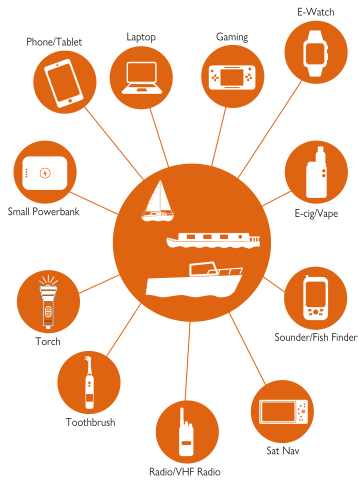
Fire safety for phone, laptop and other devices, their batteries & chargers
Many small portable devices contain lithium-ion batteries. Here's a guide to their safe use. These are lightweight, rechargeable batteries used by millions of people every day to power phones, tablets, laptops, toothbrushes, watches, cameras and powerpacks.
Along with the convenience of using these everyday devices, the risks of fire associated with lithium-ion batteries failing must be managed for safe use.
Most lithium-ion products purchased from reputable suppliers using the manufacturer's batteries and chargers are safe.
As with all products using lithium-ion batteries, there is a risk of fire if the batteries fail. The risks increase if an incorrect charger is connected or where counterfeit, damaged or poorly modified devices or batteries are used.
Only buy from reputable suppliers and use devices correctly to help prevent a fire but also ensure you know how to react should batteries start to fail, or if fire breaks out.
Install and test smoke alarms
Fit suitable, certified smoke alarms and carbon monoxide alarms. Ensure they can be heard throughout the boat. Test alarms monthly. Failing lithium-ion batteries can produce carbon monoxide and can lead to serious fires.
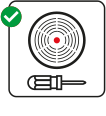
Create a Safe-Escape Plan
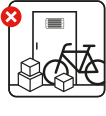
Everyone aboard must know and understand how to act in case of an emergency. Never block your escape. Only charge batteries away from your planned exit and emergency escape routes.
How to stay safe - top tips for using and charging everyday electrical devices
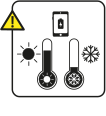
Avoid extreme temperatures
Keep batteries away from heat sources and protect them from extremely low temperatures.
Protect lithium-ion batteries Avoid damaging batteries, for example don't crush the device, puncture it or immerse it in water.
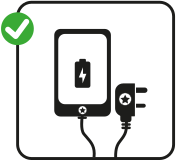
Always use the original charger
Use the charger that came with your device. Buy replacement batteries or chargers from suppliers you trust and choose a genuine, branded product.
Only use kit in perfect condition
Recycle all batteries, devices, chargers, or cables etc. that show any signs of damage or problems.
Dispose of lithium-ion batteries and devices carefully
Never dispose of batteries and devices in household waste or overboard.
Follow local authority guidance on safe disposal or if you are on the move, visit the Recycle Your Electricals website to find out about local battery recycling facilities.
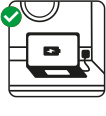
Always charge batteries on stable surfaces
Such as a galley worktop, but away from combustible materials.
Always be aboard
Be awake and alert, when charging your devices, and take them off charge as soon as the batteries are full.
Never allow fire to block your escape
Always charge batteries away from your planned exit and emergency escape routes.
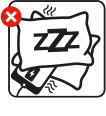
Never cover chargers or charging devices
The heat build-up could cause a fire. Never fall asleep with your charging phone or laptop under your pillow or duvet.
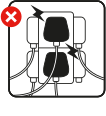
Don’t overload electrical sockets
Ideally keep to one plug per socket.
Watch out for warning indicators of imminent battery failure
Always keep an eye on their condition. The following are indicators that the battery may be about to release harmful emissions, explode ejecting burning material, or cause a fire.
Take action if you see any of these indicators.

Performance issues:
Longer charge times, incomplete charging, or failing charge indicators.

Excessive Heat:
Batteries that feel extremely hot to touch.

Bulging/Leaking:
Bulging batteries, odd lumps, or leaking liquid, vapour or gas.

Smell:
A strong or unusual smell can indicate that the battery is failing
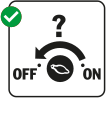
If you see any of these indicators turn off the power. Take immediate action to stay safe and reduce the risk of fire. Do not use the device again.
If it is safe to do so, consider moving the battery to a safe, non-combustible place outside, or place it in a dedicated fire-safe container. Either seek help from the supplier or manufacturer or dispose of your battery or device carefully.

If a lithium-ion battery fails act immediately
Lithium-ion battery failure triggers a sudden and violent process called 'thermal runaway'. This is when harmful toxic and explosive gases/vapour are rapidly produced and that can result in a fire and/or an explosion that can eject burning material several metres.
Do not delay, every second counts - dense smoke gases and vapour can hinder escape
Lithium-ion battery fires can spread fast and produce dense smoke, gases or vapour that can make it difficult to escape. Unlike other fires, they can continue to develop in the absence of oxygen and can readily re-ignite once extinguished.
In the event of fire, raise the alarm, warn others, get out, stay out and call 999/Ch16 for help immediately
Do not enter a smoke-filled space, escape the boat away from the fire source and try not to breathe in any toxic gases/vapour or smoke.
Do not touch or try to move any device making loud sounds, or emitting gases/vapour or smoke, or that is already on fire.
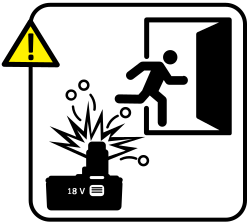
Do not attempt to fight a lithium-ion battery fire, such fires can escalate rapidly, and traditional fire extinguishers may not work - get out, stay out, call 999/Ch16.
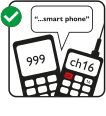
When reporting a fire involving a lithium-ion battery, specify the type of device if possible. For example, smart phone, laptop or toothbrush.
Take control. Stay safe.
Follow these tips to ensure that devices such as phones, tablets, laptops, toothbrushes, watches, cameras and powerpacks, can be used onboard more safely:
- Avoid extreme temperatures when storing and charging batteries.
- Use original chargers and batteries. Always buy genuine or known and trusted brands when replacing them.
- Avoid damaging batteries e.g. crushing, puncturing or immersion in water.
- Do not use batteries, devices, chargers, or cables etc. that show any signs of damage or problems.
- Don't cover chargers or devices while charging. A phone, tablet or laptop on charge should never be under a pillow, blanket or duvet.