Meet the Examiner: A Day in the Life of Ian Cooper
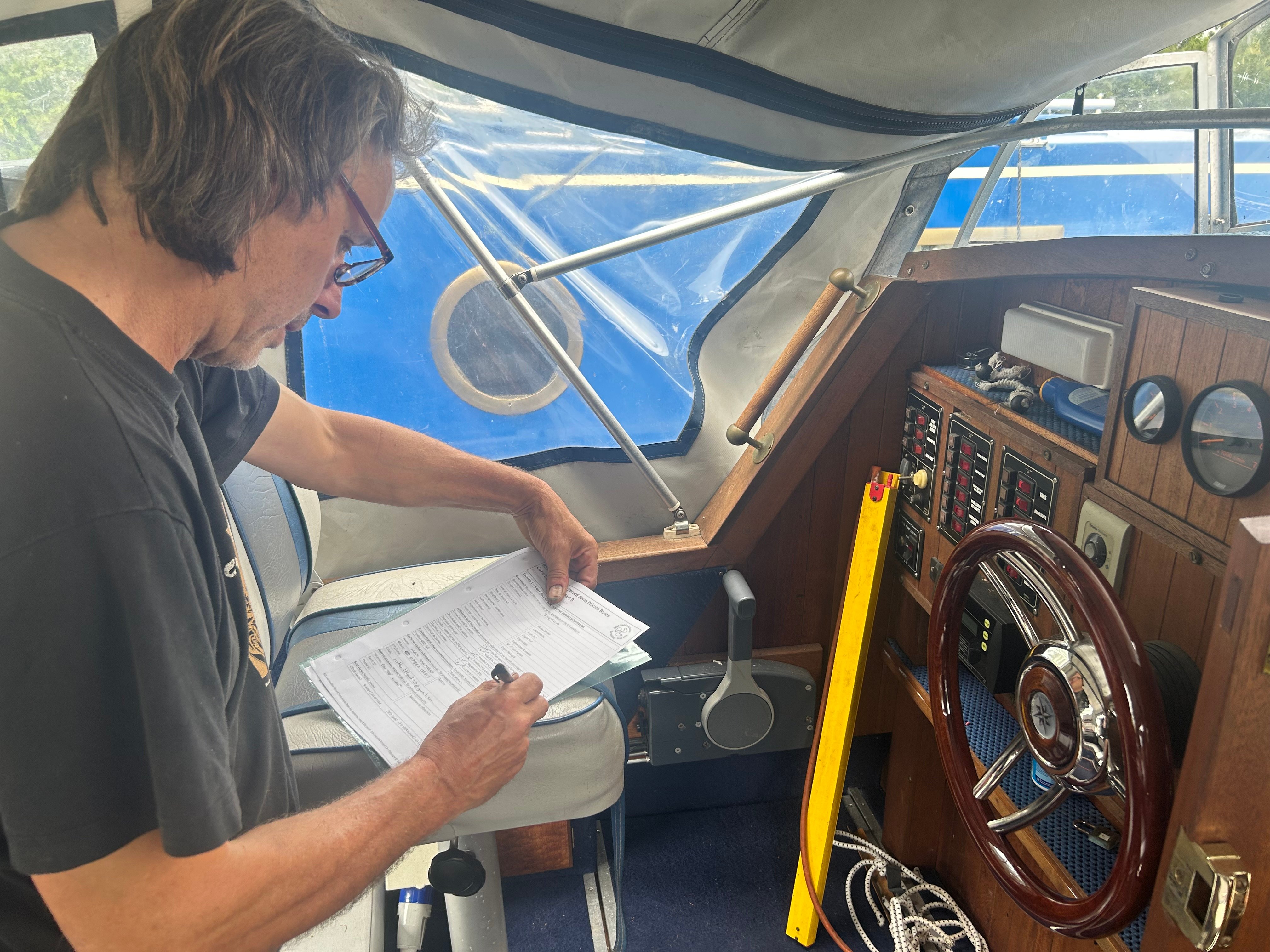
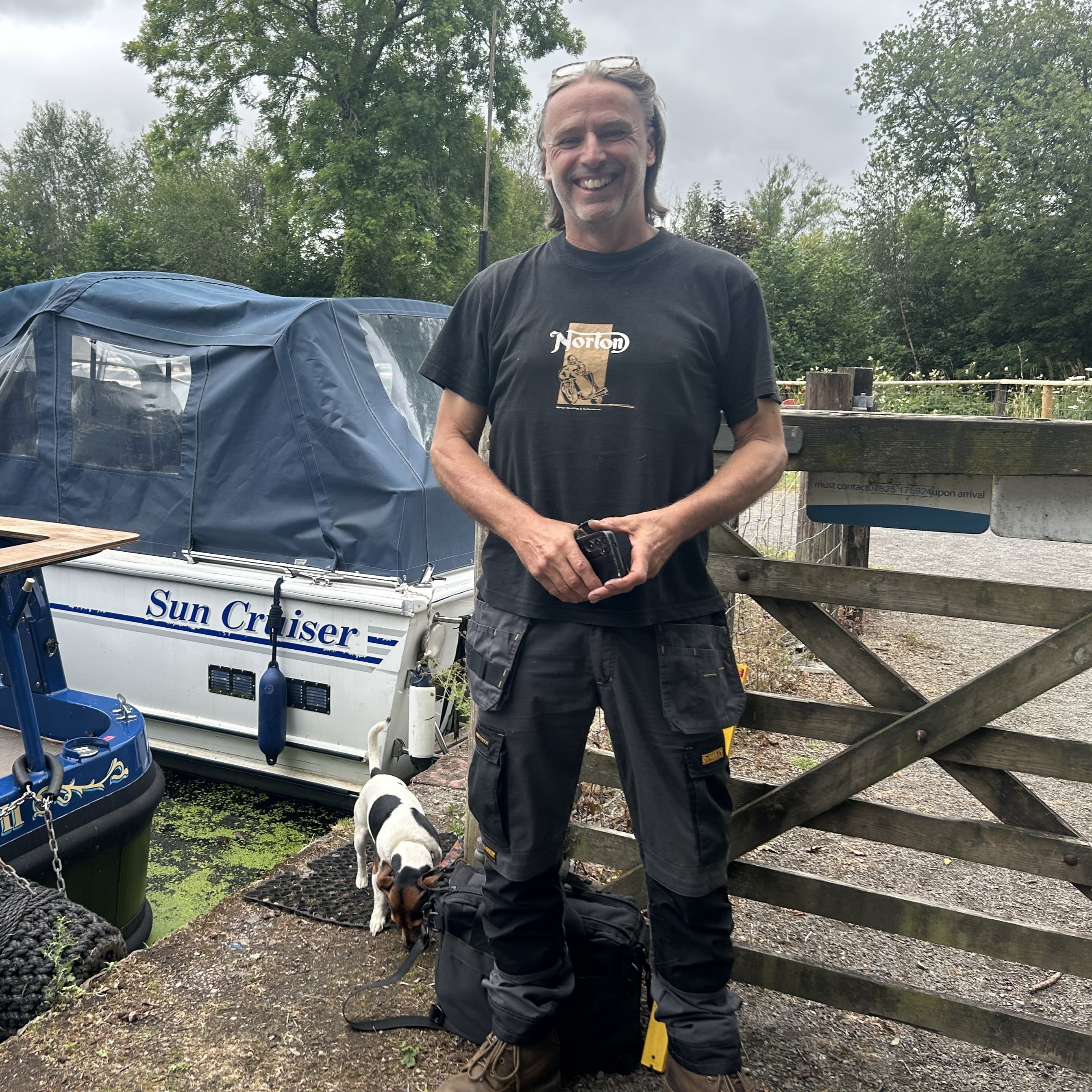
We went to meet with Ian Cooper, a BSS Examiner with three years of experience, to learn more about his work, the boats he inspects, and the memorable moments he’s had along the way.
How long have you been a BSS Examiner, and which areas do you cover?
Ian: I’ve been an examiner since 2022. I cover the Monmouthshire and Brecon Canal, work across the Gloucester and Sharpness Canal, and have a few jobs along the Oxford Canal and in Wiltshire. It’s a nice mix of waterways and boat types.
What kinds of boats do you typically Examine?
Ian: All sorts really mainly narrowboats and cruisers, but the Gloucester and Sharpness Canal is great because it’s wide and deep, so you never know what you’ll get. I’ve inspected 1930s trawlers, ex-naval vessels you name it.
What does a typical day on the job look like?
Ian: It starts with getting to the site and making sure I don’t get stuck on the way!
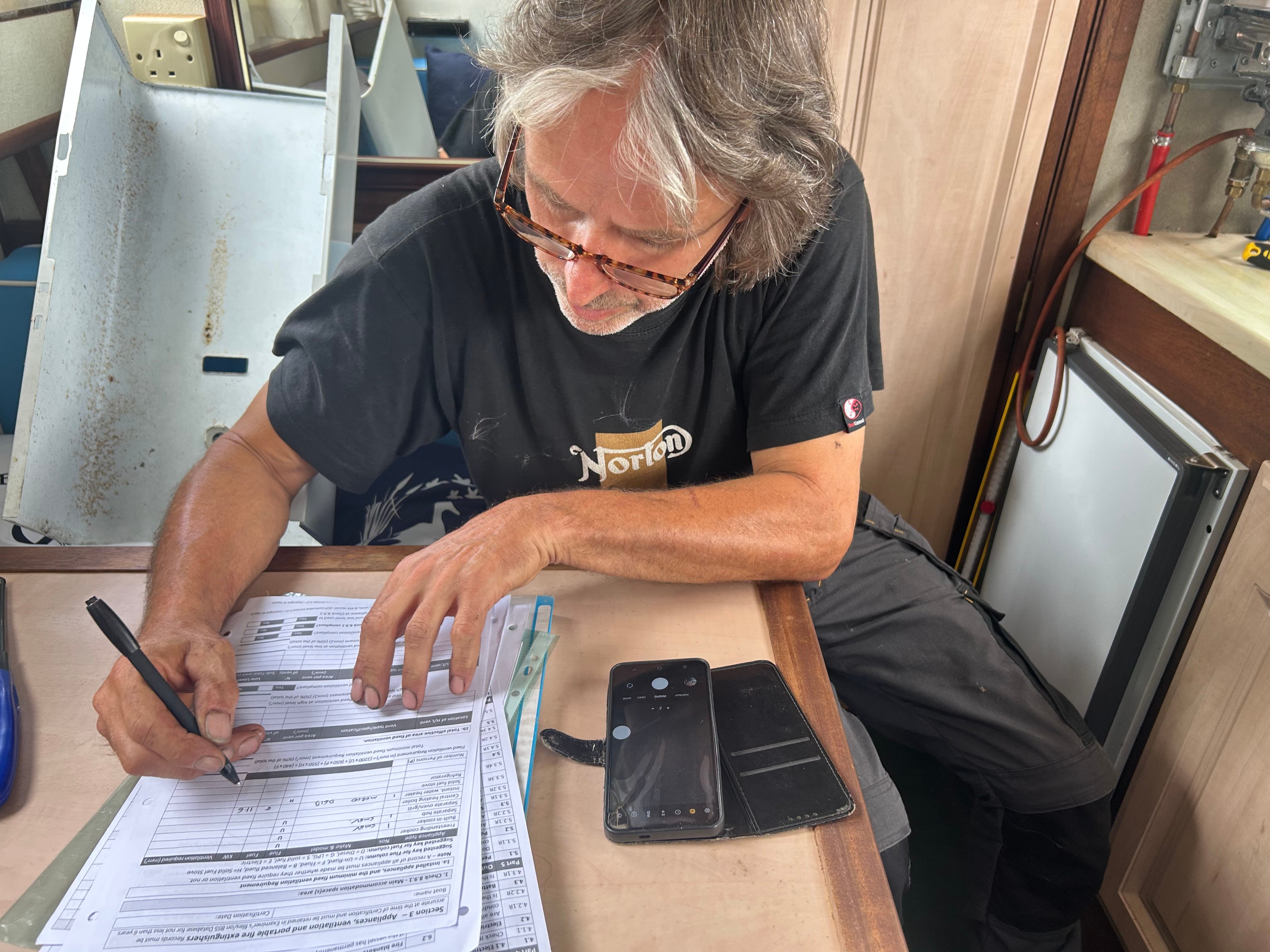
If it’s a marina, I’ll always check in with the staff first, so they know I’m on site. Then I meet the boat owner, introduce myself, have a quick chat, and get stuck into the inspection.
What tools and equipment do you carry?
Ian: Not a lot of tools, because when working as a BSS Examiner, we’re not allowed to physically work on boats or take anything apart.
I carry a couple of screwdrivers and a small adjustable spanner for things like gas test points, and my manometer for gas pressure testing.
Apart from that, it’s mostly torches, mirrors, and measuring tools the basics for checking things thoroughly.
What do you enjoy most about being an examiner?
Ian: Definitely meeting people and seeing all the different boats whether they’re dog-rough or floating palaces! Every day and every boat are different, which keeps it interesting.
What do you find most challenging?
Ian: The only time it’s tricky is when I’m inspecting liveaboard boats where people might be struggling with hoarding or may have an interruptive behaviours or be so defensive as to make a complete and consistent Examination a challenge.
It can be hard to access certain areas, and you don’t want to cause distress by asking people to move things around. Otherwise, most of the job is quite straightforward.
Do you prefer working alone or engaging with boaters?
Ian: I enjoy engaging with people. The chat is part of the job! It’s nice to have that interaction and help people understand more about boat safety.
What’s one thing you wish boaters knew before their examination?
Ian: How dangerous some of the things on their boats can be. People can be a bit blasé about things like ventilation.
When I’m checking vents, I use a thin ruler to make sure the grills actually go through — and in winter, on liveaboard boats, you can bet there’s something stuffed behind there, like half a cornflake packet!
Roof vents are often blocked too, which is risky when you’ve got a water heater, cooker, and log burner all using oxygen in a space with no proper ventilation. The carbon monoxide risk can be serious.
Have you had any memorable or surprising moments on the job?
Ian: A few! One that stands out was a bit dangerous. I went to do a flue spillage test on a water heater. The owner said, “It doesn’t always work very well,” but didn’t explain how.
So I tried lighting it, and suddenly…. bang! A fireball came out and singed my eyebrows!
The owner just said, “Yes, that’s what it does.” Needless to say, that was an instant markdown as non-compliant, and I had it fixed later.
Another time was more amusing. I was inspecting a narrowboat with the owner, chatting away as he went to make a cup of tea. Then his wife walked out of the shower completely unaware I was there! That’s the thing about boats they’re people’s homes, and space is tight. You never quite know what’s going to happen next.
Finally, what advice would you give to someone thinking about becoming a BSS Examiner?
Ian: (Laughs) Don’t take my work.. and don’t move up north!
But seriously, do it. It’s enjoyable, interesting work. I get a lot of satisfaction from helping people make their boats safer.
You see some dangerous setups, and often people just don’t realise the risks.
It’s a good feeling to know you might have helped someone avoid a fire or even a hospital visit.
BSS: Thanks so much for your time, Ian
Ian: Thank you — it’s been a pleasure.